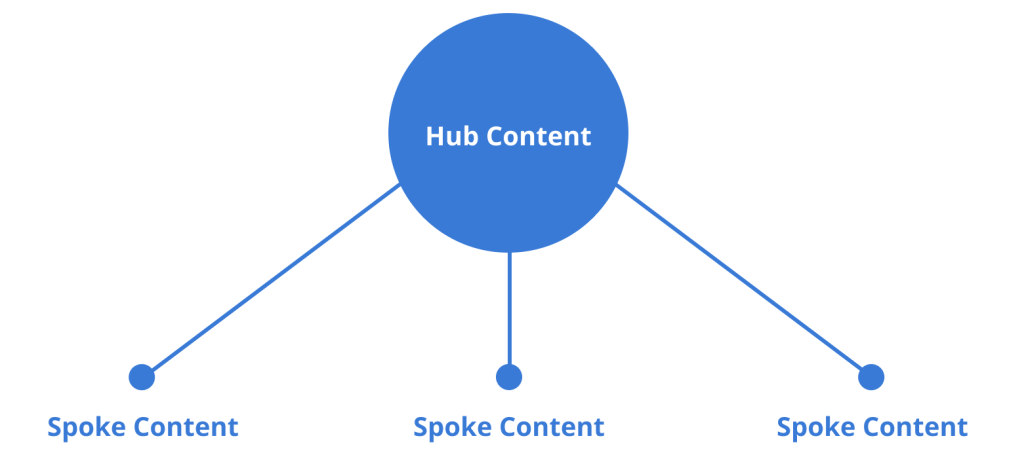
The hub and spoke model provides a framework for modern marketing where departments no longer work in isolation. According to common industry standards, this method is specifically designed to break down organizational silos and ensure that information flows freely between various teams.
In this system, the digital analytics team acts as the central hub. The different departments, such as sales, finance, and customer service, represent the spokes. The analytics professionals at the center are responsible for gathering data and sharing it outward to help every department make better decisions.
When developing a digital marketing campaign, it is vital to consider the needs of the entire company. Marketing does not happen in a vacuum, and its success depends on other teams. For example, marketing must coordinate with sales to ensure they can handle new leads. Without this coordination, a campaign might generate interest that the company cannot actually fulfill. Customer service teams also need to know about active promotions so they can answer questions accurately, while working with finance ensures that marketing budgets are spent on the most profitable channels.
Sharing campaign data across the organization is just as important as the campaign itself. When the hub shares results with the spokes, it creates several benefits including increased transparency. Sharing data helps other departments see the direct impact of marketing on company revenue. Furthermore, using digital insights can help product teams understand exactly what features customers want most (Chaffey and Ellis-Chadwick, 2019). When everyone sees what worked and what did not, the entire organization can pivot quickly to more successful strategies.
The hub and spoke method ensures that digital marketing is a collaborative effort. By putting analytics at the center, a company can move away from departmental silos and toward a unified strategy that benefits the whole business.
References
Chaffey, D., and Ellis-Chadwick, F. (2019). Digital Marketing: Strategy, Implementation and Practice. Pearson.
Kotler, P., and Armstrong, G. (2020). Principles of Marketing. Pearson.
 Monica's marketing mind
Leave a comment