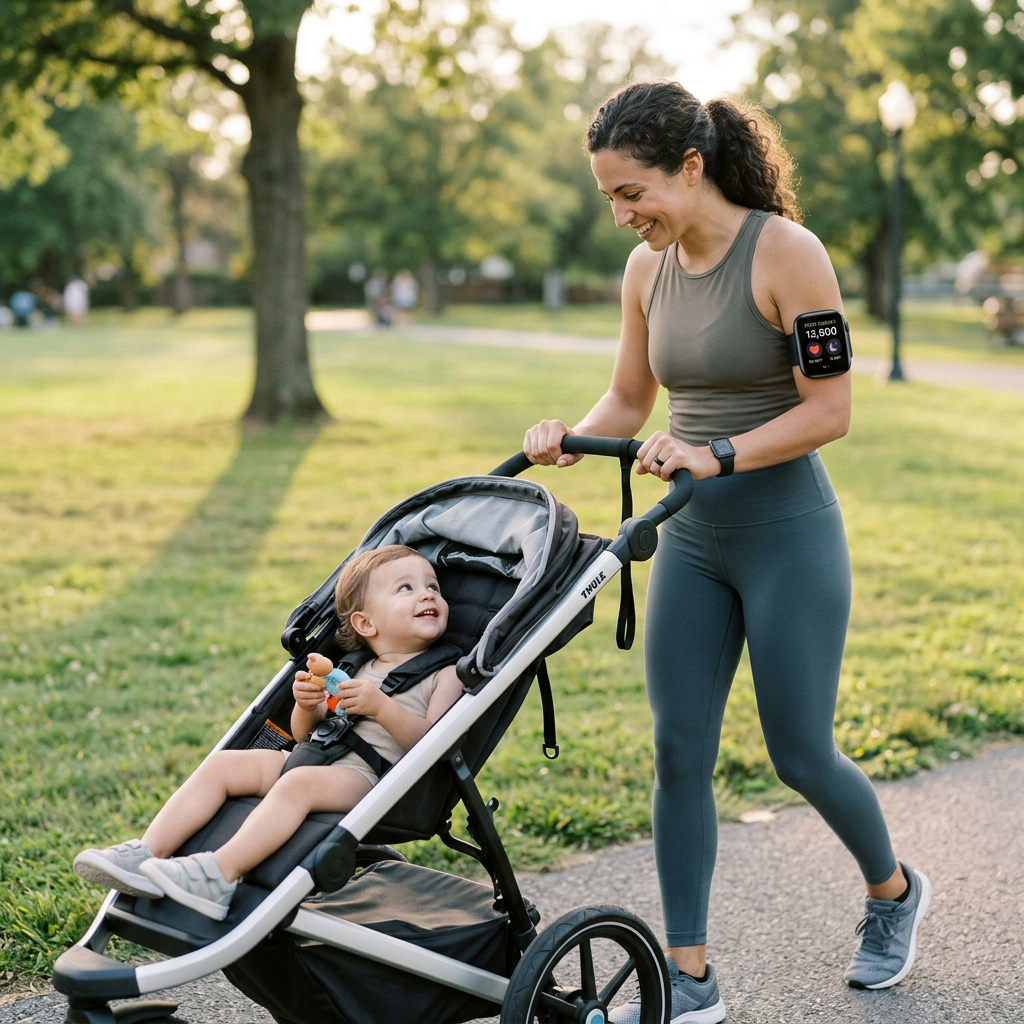
The digital fitness landscape is undergoing a major shift in how health data is used to support mothers navigating pregnancy, postpartum recovery, and the daily physical demands of raising kids. According to recent research by Carter (2026), analytics platforms are moving away from standard, generic fitness metrics like hitting ten thousand steps or burning a specific number of calories, and are instead shifting toward maternal biometric fusion. This approach utilizes machine learning algorithms to combine resting heart rate, sleep cycles, and heart rate variability to build a highly personalized baseline specifically tailored to a mother’s unique physiological recovery and stress levels. The biggest breakthrough with this trend is the move away from rigid, high-intensity fitness goals and toward predictive data that can analyze continuous biometrics over time to predict physical exhaustion or burnout before it actually happens.
This development is fundamentally changing the data analytics landscape by completely tossing out population-average benchmarks. For years, fitness analytics relied on static data comparisons that did not account for the erratic sleep schedules, hormonal shifts, and high mental loads that mothers experience daily. Now, data engines must process complex, continuous data streams in real time to establish an individualized baseline (Carter, 2026). This forces analytics platforms to move from descriptive data, which simply tells a mom how poorly she slept, to prescriptive data, which provides actionable advice. For fitness brands, digital health apps, and community coaching programs, this means algorithms can automatically adjust a user’s daily activity recommendations based on real-time biometric strain rather than a generic, pre-scheduled exercise plan.
I view this trend as an incredibly positive development for the industry. For a long time, standard fitness tracking has pushed a one size fits all mentality that just does not work for mothers. Having an objective data system that looks at wellness metrics to tell a mom when her body actually needs a low impact yoga session or a rest day rather than a high intensity workout is a massive win for long term health. From a professional marketing and strategy standpoint, this level of data precision allows fitness organizations and digital apps to offer hyper-personalized support at scale. Instead of sending out generic workout challenges that might discourage a sleep-deprived mother, companies can use these subtle data signals to provide context-specific guidance that prioritizes true wellness, prevents injuries, and keeps moms feeling supported and engaged over time.
References
Carter, S. (2026, April 14). The rise of maternal biometrics: How wearable data is revolutionizing postpartum and maternal wellness. Journal of Women’s Health Tech, 12(4), 88–95. https://www.womensdigitalhealthinsights.org/maternal-biometrics-2026
 Monica's marketing mind
Leave a comment