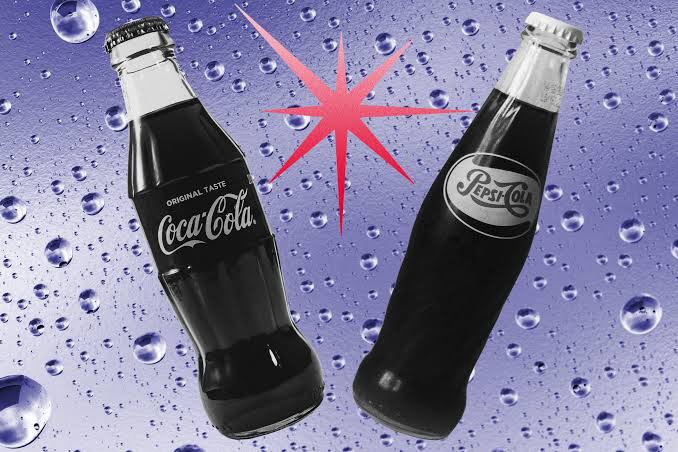
When considering brand rivalries, classic head-to-head battles like Coke vs. Pepsi or Mac vs. PC often come to mind. Traditionally, companies have used competitive contrast, highlighting a rival’s weaknesses to emphasize their own strengths. For instance, Apple’s famous campaign depicted the Mac as easy and stylish, while portraying the PC as bulky and outdated. This approach emphasizes technical skill and functional superiority, which can build strong loyalty among dedicated fans. Similarly, Coke and Pepsi have competed for decades, engaging in taste tests and cultural battles to shape their brand identities. (Adams, 2022). This strategy focuses heavily on showing off technical competence and functional superiority, which can build strong loyalty among die-hard fans. However, tearing down a competitor can also make a brand look aggressive or push potential new customers away.However, attacking a competitor might also seem aggressive or discourage potential customers. Selecting the right approach depends on the product, competition, and the desired brand personality. (Babin and Harris, 2022)
On the flip side, research shows that praising a competitor can enhance a brand’s reputation and boost sales. Instead of highlighting flaws, a company might publicly compliment a rival—such as when Burger King encouraged customers to buy McDonald’s Big Macs to support a charity fundraiser. This approach not only avoids hostility but also demonstrates warmth, generosity, and authentic confidence. While traditional rivalries foster loyalty based on product features and a ‘us versus them’ mentality, praising competitors helps develop brand equity by emphasizing strong brand character. Consumers begin to see the company as helpful and customer-oriented, fostering trust and drawing in a wider audience.
Why do consumers react so positively when a brand praises its rival? It comes down to how we make quick decisions. During the early stages of the decision-making process, consumers rarely pause to analyze every single ad logically. Instead, they rely on automatic mental shortcuts (Babin & Harris, 2022). Social psychology introduces the thin-slice theory, which explains our ability to form quick judgments about someone’s character from minimal observation. When a brand compliments its rival, this swift assessment intuitively makes the brand seem warm, honest, and trustworthy (Zhou et al., 2022). This immediate positive impression produces a halo effect, easing consumer doubts and significantly increasing the likelihood of a purchase.
Certainly, praising a competitor isn’t a universal solution. When a smaller, lesser-known brand compliments a major industry leader, it might be perceived as lacking confidence or appearing weak. The praise can also backfire if it seems insincere, sarcastic, or just a ploy for attention. In high-stakes sectors like banking, healthcare, or aviation, customers prioritize proven safety and performance over friendliness. In such contexts, complimenting a rival could inadvertently lead customers to believe the competitor offers better service. However, when used authentically in the right setting, praising a competitor proves that showing a little kindness is a surprisingly powerful way to win customer trust.
References
Adams, P. (2022, May 3). How Coke and Pepsi’s rivalry shaped marketing — and where it goes next. Marketing Dive. https://www.marketingdive.com/news/coke-vs-pepsi-rivalry-brand-marketing-metaverse/621711/
Babin, B. J., & Harris, E. G. (2022). CB9: Consumer behavior (9th ed.). Cengage Learning.
Zhou, L., Du, K. M., & Cutright, K. E. (2022). Befriending the enemy: The effects of observing brand-to-brand praise on consumer evaluations and choices. Journal of Marketing, 86(6), 57–74. https://doi.org/10.1177/00222429211062967
 Monica's marketing mind
Leave a comment